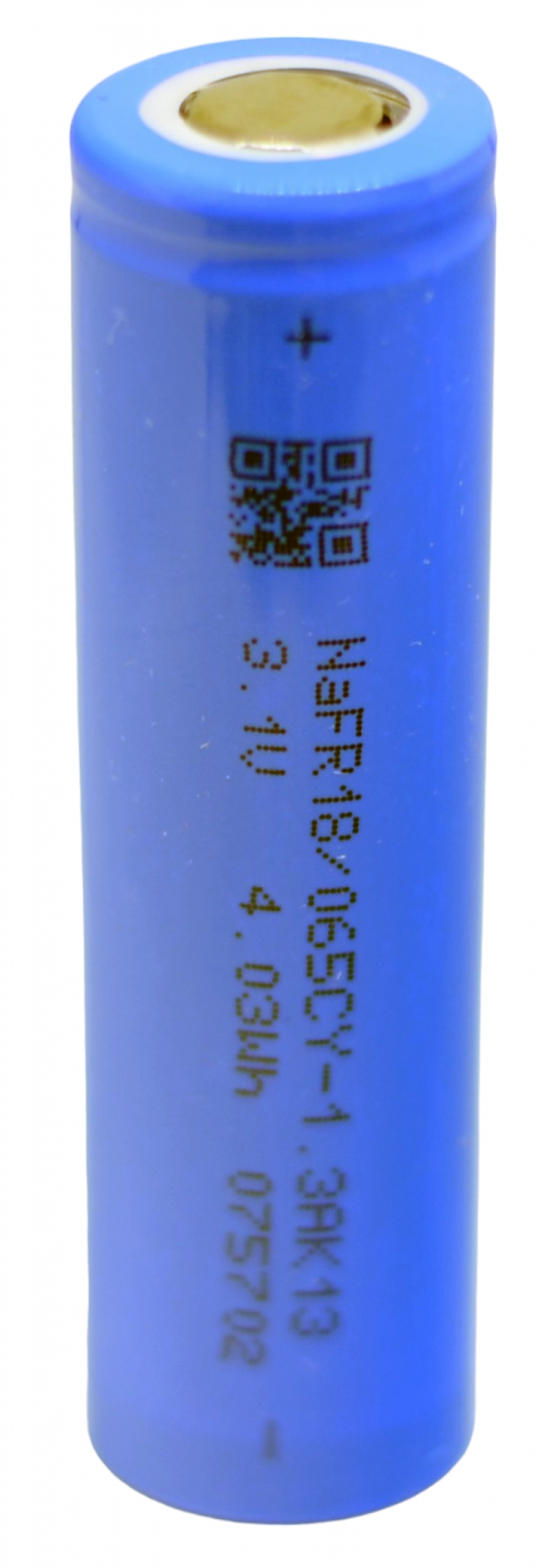
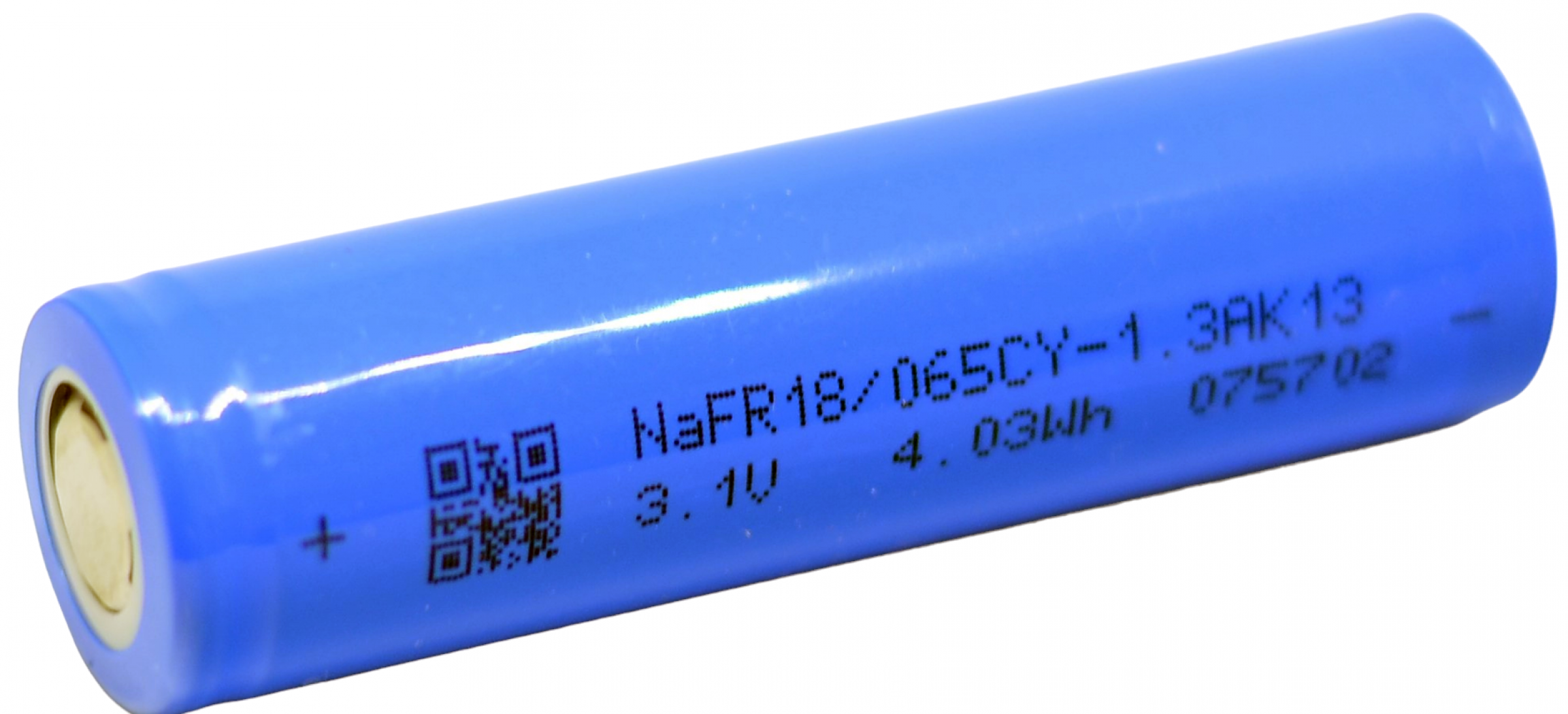
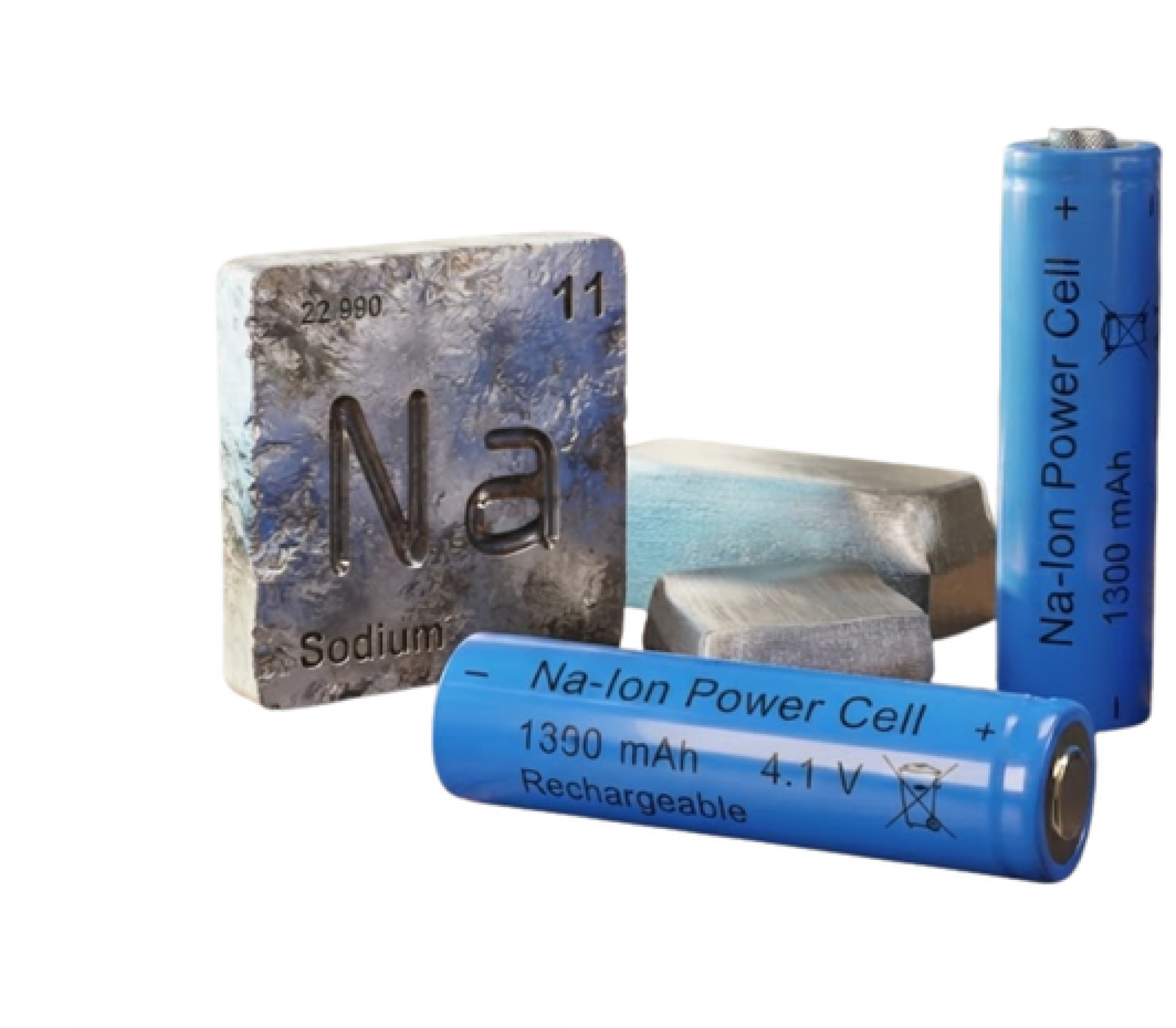
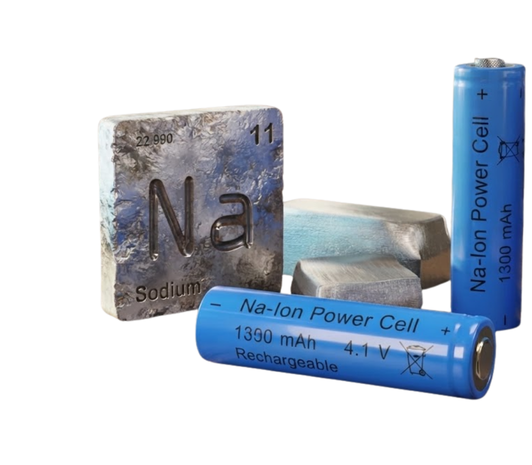
The 18650 sodium-ion battery is an innovative energy source known for its environmentally friendly composition and high safety standards. This battery offers an attractive alternative to conventional lithium-ion batteries, especially for applications where sustainability and cost efficiency are paramount.
Product Specifications:
- Battery Type: Sodium-ion battery
- Nominal Voltage: 3.0 V
- Standard Capacity: 1300 mAh
- Weight: 40 ± 2 g
- Dimensions: 18 x 65 mm
- Charging Voltage: 4.1 ± 0.05 V
- Discharge Cut-off Voltage: 1.5 ± 0.05 V
- Internal Resistance: ≤ 25 mΩ
- Standard Charging Current: 0.5 C
- Standard Discharge Current: 0.5 C
- Max Charging Current: 2 C
- Max Continuous Discharge Current: 12 C
- Discharge Temperature Range: -30 to 60 °C
Advantages over Lithium-Ion Batteries:
1. Sustainability and Environmental Friendliness:
Sodium-ion batteries use sodium instead of lithium, which is much more abundant and easier to source from the Earth’s crust. This makes sodium extraction less harmful to the environment and more cost-effective.
2. Lower Production Costs:
By utilizing sodium as the main component, production costs are significantly reduced, making this battery an economically attractive alternative, especially for applications requiring large-scale energy storage.
3. Enhanced Safety:
Sodium-ion batteries are less prone to thermal runaway and overheating, reducing the risk of fires or explosions compared to lithium-ion batteries. This increased safety is particularly beneficial in sensitive applications.
4. Wider Temperature Range:
With a discharge temperature range of -30 °C to 60 °C, these batteries are better suited for use in extreme environments compared to many lithium-ion batteries.
5. High Performance:
The maximum continuous discharge current of 12 C indicates that the battery is suitable for high-power applications where short bursts of high current are required.
Application Areas:
The 18650 sodium-ion battery is ideal for use in electric mobility, portable devices, stationary energy storage, and renewable energy systems. Its combination of sustainability, safety, and performance makes it a forward-looking choice in battery technology.
Certainly! Here's the rephrased English version:
**FAQs - Sodium ION Batteries
**Q1: Are sodium-ion batteries suitable for electric vehicles?**
**A1:** Although sodium-ion batteries are promising, lithium-ion technology remains the primary choice for electric vehicles due to its higher energy density.
**Q2: Can existing devices use both sodium-ion and lithium-ion batteries interchangeably?**
**A2:** No, the two battery types have different charging and voltage requirements, making them incompatible without specific modifications.
**Q3: Are sodium-ion batteries entirely free of safety concerns?**
**A3:** While sodium-ion batteries present a lower risk of thermal runaway, safety precautions are still necessary, particularly for large-scale applications.
**Q4: How do sodium-ion batteries compare to lithium-ion batteries in terms of recyclability?**
**A4:** The recycling infrastructure for sodium-ion batteries is still in development, whereas lithium-ion batteries benefit from a more established recycling process.
**Q5: Which technology is more likely to dominate in the future?**
**A5:** Both technologies may coexist in the future, each serving different applications and market needs.
| Name: | Infinio |
| Infos: | Bei diesem Produkt besteht Konformität nach Richtlinie 2001/95/EG.
Sicherheitshinweis: Batterien und Akkus nur gemäß Bedienungsanleitung oder Datenblatt verwenden! Unsachgemäßer Gebrauch kann gefährlich sein. Von Kindern fernhalten – Verschluckungsgefahr! Sorgen Sie für eine sachgemäße Lagerung. Bei GPSR Fragen: +49 2181495260 / gpsr@voltronic.de |